The Dangers of High-Density Foam in Poorly Assessed Cavities
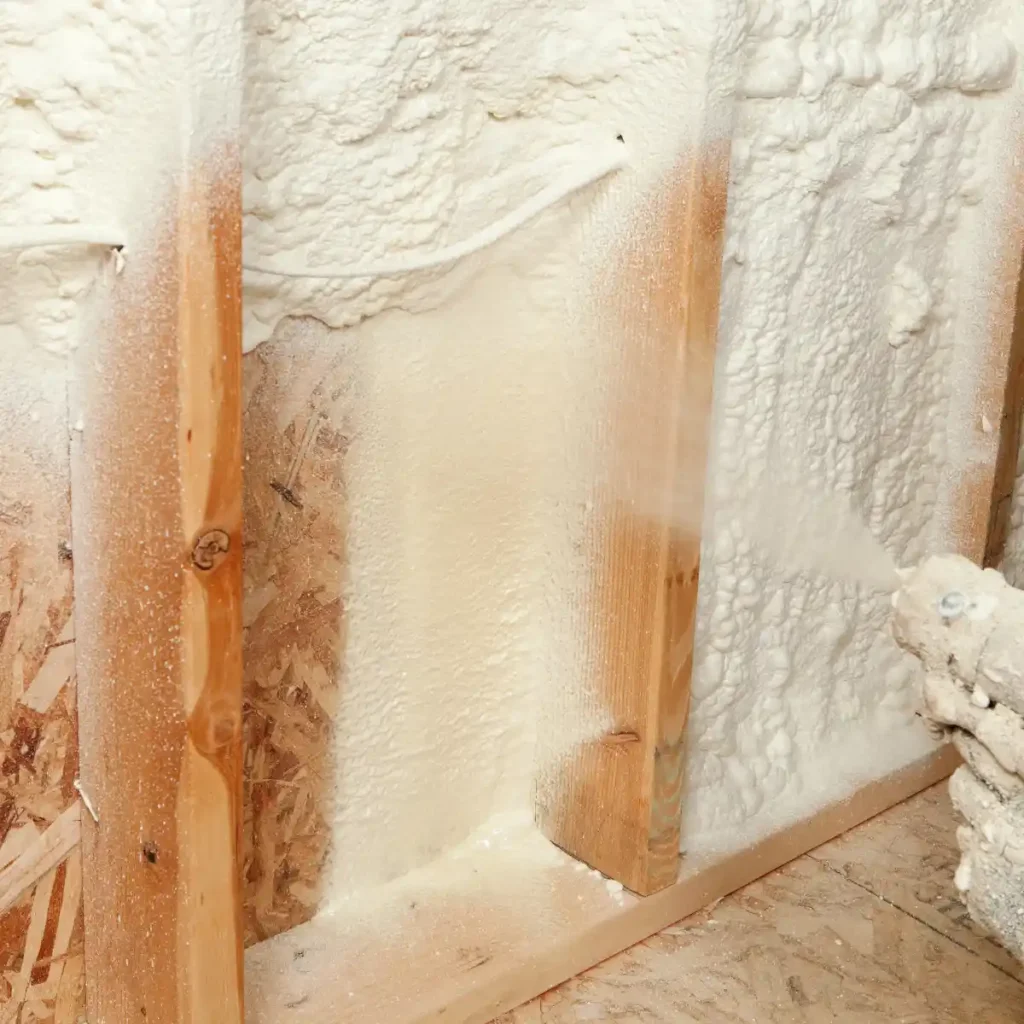
Poor cavity wall projects, often a result of inadequate assessments, faulty design, and non-compliant installation, can pose significant risks. High-density foam, a common culprit, can cause:
Moisture Trapping
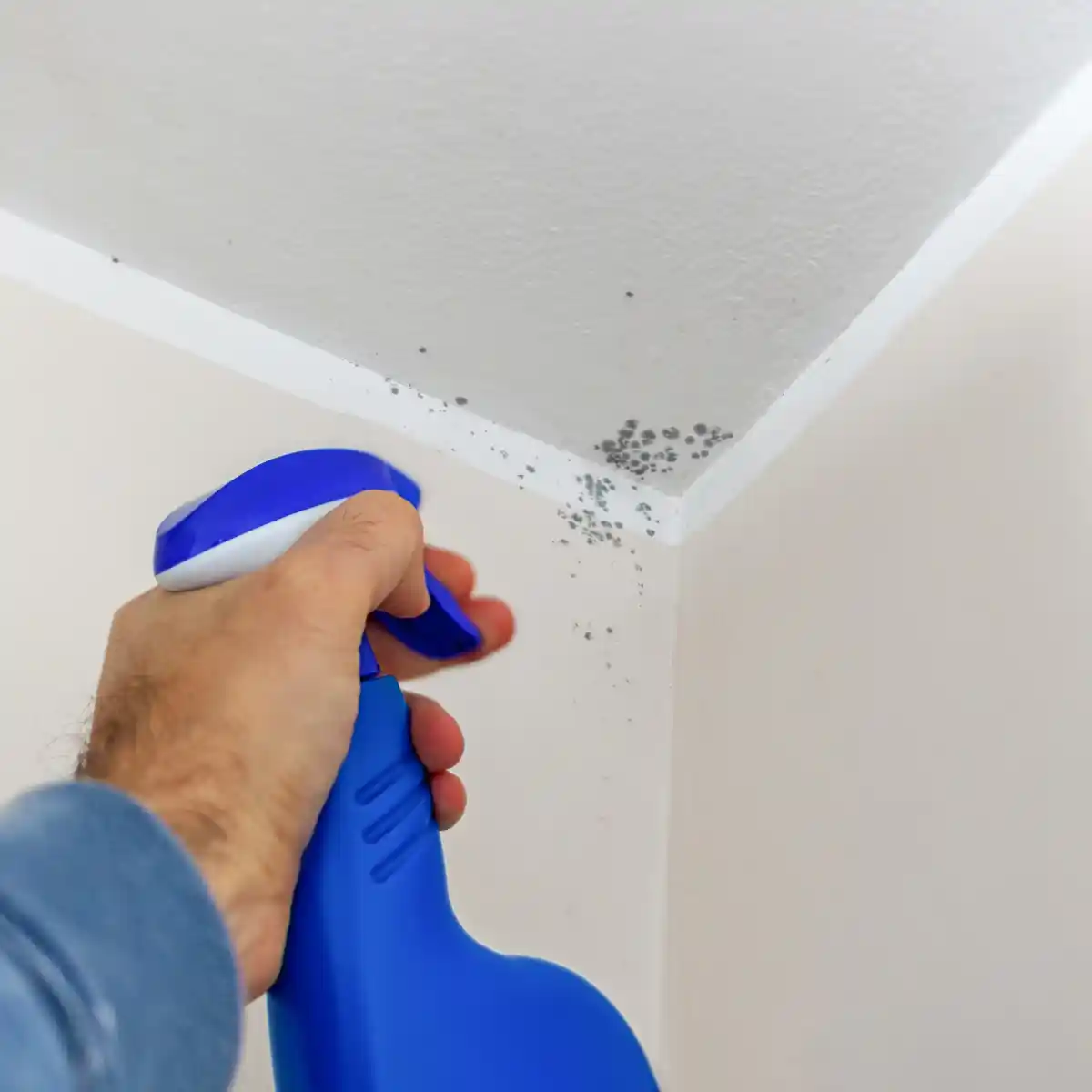
High-density foam can impede natural breathability, trapping moisture in the cavity and leading to dampness, mould growth, and structural damage.
Reduced Ventilation
Incorrect installation can compromise ventilation pathways, further exacerbating moisture issues.
Health Problems
Mould growth can trigger respiratory problems in occupants, impacting their well-being.
Other insulation systems can have similar problems when the survey, design, specification or installation is inadequate.
The Cost of Neglect: Reputational and Financial
The consequences of poorly executed cavity wall insulation projects extend beyond the immediate health risks to residents. Unforeseen complications can lead to:
Costly Remediation
Removing and replacing faulty insulation, addressing damp and mould, and repairing structural damage can be a significant financial burden.
Reputational Damage
Tenant dissatisfaction and potential health concerns can negatively impact your reputation as a housing provider.
The Path to Success: Proactive Cavity Wall Inspection
By prioritising a holistic retrofit approach and implementing thorough cavity wall inspections, you can mitigate these risks. Here’s how: